
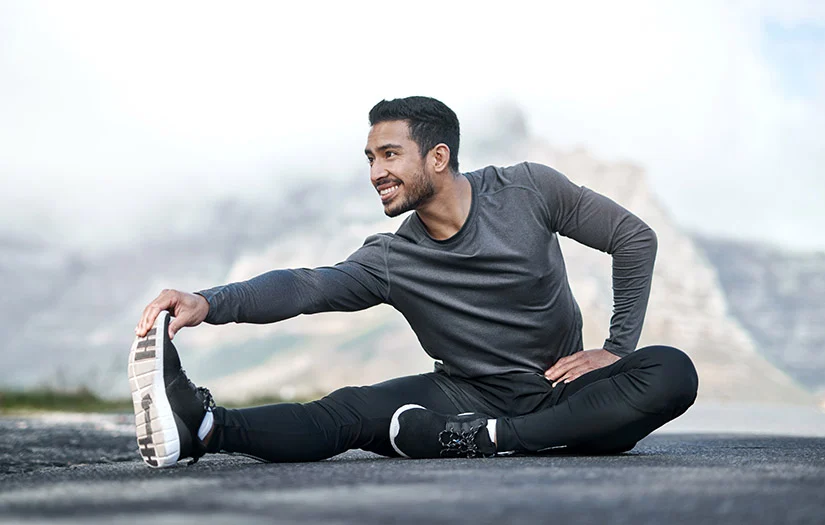
Stretching is one of the most important parts of any workout. We rush to the gym to do weight lifting or to jump on the treadmill. Then we leave just as quickly to return to our everyday lives. Skipping a stretch will limit your potential, and make you more prone to injury. Stretching before and after exercise can have a dramatic impact on how your body performs and feels. Stretching is a bridge between sedentary and active lifestyles. It prepares your muscles for activity and helps them to settle down afterwards. Understanding why stretching is important, whether you’re a seasoned or beginner athlete, is the first step to a more effective and healthier fitness journey.
Warming up Your Body
Imagine your muscles as a rubberband. When you stretch a rubber band that is cold, it may snap. But if you first warm it up, it will stretch easily. Stretching is a great way to prime your body for a workout. It signals that it’s time to get moving. The dynamic stretching technique, which is more about moving than holding a position, raises the core body temperature, and prepares the nervous system for your workout. This process awakens your muscles and reduces stiffness caused by sitting at a computer or sleeping. You can prepare your body to lift heavy weights and run fast intervals by increasing your heartbeat gradually through movement.
Improve Circulation
Stretching encourages blood flow to the muscles. It is important to improve circulation because blood contains oxygen and nutrients that your muscles require for efficient performance during exercise. A better blood flow allows your body to maintain energy levels longer, which delays fatigue. The increase in circulation helps to remove metabolic wastes that build up in your tissues. Prioritizing blood circulation before you break a sweat creates an internal environment that allows your muscles to thrive under pressure, instead of struggling.
Increased Flexibility
It is important to understand that flexibility is more than just being able touch your toes. It is also about the range-of-motion in your joints. Stretching regularly lengthens muscle fibers and connective tissue, allowing joints to move without restriction. You can achieve better results when you are able to perform your exercises in a range of motion that is comfortable for you. Flexible hips can allow you to do deeper squats while flexible shoulders will improve your overhead presses. Maintaining this elasticity over time will help you combat the stiffness associated with aging and keep you active for many years.
Reducing Muscle Soreness
Delayed Onset Soreness is a common symptom that occurs a few days after a hard workout. Stretching can reduce the severity of soreness, but it cannot eliminate it. Stretching helps lengthen muscles which have become tightened during exercise. This tension release improves blood flow in the area, which helps flush out lactic acids and other products of intense exercise. You can prevent knots from forming by addressing tight muscles immediately. This will reduce pain and restriction of movement.
Enhancing Performance
When your body moves well, you perform well. You will expend less effort to combat stiffness when your muscles and joints are flexible. This efficiency directly translates into improved athletic performance. Your biomechanics may allow you to run faster, lift more weight, or jump higher simply because they are optimized. Stretching helps to ensure that all your muscles are firing in harmony and correctly, so you can generate maximum power. It builds a foundation of physical preparedness that will allow you to push yourself safely.
After-Workout Cool Down
It can be very stressful to stop a workout suddenly. Your heart will be beating rapidly and your blood vessel dilation is increased after intense physical activity. Stretching is an effective way to cool down, as it allows your heart rate gradually to return to resting. This prevents blood pooling at your extremities which can cause dizziness and fainting when you stop suddenly. The body will know that it’s time to switch gears and go into recovery mode after a proper cool-down.
Helping Recovery
Recovery is the key to real progress. Muscles don’t grow when you exercise; they grow when you rest. Stretching helps to kick-start this recovery process, by relaxing your nervous system. After a workout you can activate the parasympathetic system by holding a static stretch for a certain amount of time. This promotes digestion and rest. This helps reduce cortisol and physical stress. Your body can then focus on repairing muscle fibers that have been torn and replenishing its energy stores.
Preventing Injury
Injury prevention is the most important benefit of stretching. Tight muscles have weak muscles and are more prone to tears, strains and pulls. A muscle that is too tight pulls the joint it is attached to causing imbalances and poor posture. The misalignment causes other parts of the body to compensate. This can lead to injury. Stretching helps to keep your muscles flexible and balanced, allowing your body to absorb the impact of exercising correctly. This protects your ligaments and joints from harm.
Relaxation is a good thing
Stretching offers more than just physical benefits. It also helps to clear your mind. Stretching connects the breath to your body and acts as a moving meditation. Concentrating on the sensations of stretching helps you to clear your mind from daily stressors, and bring your attention back to the moment. Mental release is as important as physical. Stretching at the end of your workout will leave you calm, focused and relaxed. It transforms exercise from a chore to a holistic practice which nurtures mind and body.
Stretching as a habit
Stretching is a discipline that requires commitment, but its benefits are indisputable. Exercise becomes a lifestyle. You are investing in your body’s longevity by taking the time to properly warm up and cool off. Stretching does not have to take hours; five to ten minute can make all the difference. Your body will thank for it with improved performance, less injuries and a better sense of wellbeing.
FAQs
1. Should you stretch before or after an exercise?
Both are essential, but they serve different purposes. Static stretching should be done after a workout, to improve flexibility and cool down.
2. For how long should I stretch my muscles?
Hold each stretch for 15-30 seconds. Be careful not to bounce, as this could cause injury.
3. Does stretching help back pain?
Stretching tight hamstrings or hip flexors will often help relieve lower back tension. Consult a doctor if you suffer from chronic pain.
4. Do I have to stretch during my rest days?
Absolutely. Stretching on rest days will improve flexibility and reduce stiffness.
5. What happens if you never stretch?
Muscles can become shorter and tighter over time. It can reduce your range of movement and increase the risk of muscle damage, joint pain and strains.