We all know the drill. We start the week with the best intentions, vowing to cut back on the cookies and sodas, only to find ourselves staring longingly at the vending machine by Wednesday afternoon. The problem usually isn’t a lack of willpower; it’s the fear of a flavorless existence. We equate “healthy” with “bland,” assuming that lowering our sugar intake means resigning ourselves to a life of cardboard-tasting snacks.
But here is the good news: reducing sugar doesn’t mean saying goodbye to enjoying food. In fact, retraining your palate can open up a whole new world of flavors you might have been missing while masking everything with sweetness. By making smarter choices and understanding where sugar hides, you can protect your health and still satisfy your cravings.
Understand Your Sugar Sources
The first step in any dietary change is awareness. Sugar is a master of disguise, often lurking in products that don’t even taste particularly sweet.
Spotting hidden sugars
You might skip the donut for breakfast, but did you check your “healthy” granola bar? Processed foods are notorious for added sweeteners. Savory items like pasta sauces, salad dressings, breads, and crackers can contain surprising amounts of added sugar to preserve shelf life and enhance flavor.
Decoding food labels
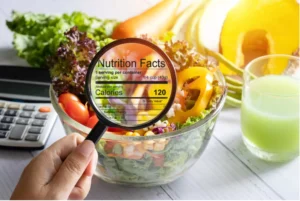
Becoming a label detective is essential. Manufacturers use over 60 different names for sugar. When scanning an ingredient list, look out for words ending in “-ose,” such as dextrose, fructose, maltose, and sucrose. Also, keep an eye on high-fructose corn syrup, cane juice, and fruit juice concentrates. If these appear in the top three ingredients, that product is likely a sugar bomb.
Smart Swaps for Sweet Treats
You don’t have to go cold turkey on sweetness. Nature provides plenty of alternatives that offer more complexity than refined white sugar.
Natural sweeteners
While honey and maple syrup are still forms of sugar, they bring more to the table than empty calories. They contain trace minerals and antioxidants, and because they have a stronger, more distinct flavor, you often need less of them to achieve the same level of satisfaction.
Baking with fruit
If you enjoy baking, fruit purees are a game-changer. Unsweetened applesauce, mashed bananas, or pureed dates can replace sugar in many recipes, particularly muffins, cookies, and breads. These swaps add natural sweetness along with fiber and moisture, resulting in a treat that is both delicious and more nutritious.
Flavor Enhancement Techniques
Sometimes, what we crave isn’t sugar itself, but intensity of flavor. You can trick your taste buds into perceiving sweetness by using aromatic ingredients.
Spices that suggest sweetness
Certain spices are naturally associated with sweet foods. Cinnamon, nutmeg, cardamom, and ginger warm up the palate and provide a sensory experience similar to sugar. Sprinkling cinnamon on your morning oatmeal or coffee can drastically reduce the need for added sweeteners.
Extracts and zests
Vanilla extract is a powerful tool in your low-sugar arsenal. Its rich aroma enhances the perception of sweetness without adding glucose. Similarly, the zest of lemons, limes, or oranges adds a bright, floral note that distracts from a lack of sugar, making yogurt or baked goods taste fresh and vibrant.
Gradual Reduction Strategies
Drastic changes often lead to drastic relapses. Instead of eliminating sugar overnight, try a step-by-step approach.
Diluting sugary drinks
Liquid calories are some of the easiest to cut. If you love fruit juice, start by mixing it with sparkling water—half juice, half water. Over time, increase the ratio of water. You will eventually find full-strength juice cloyingly sweet and prefer the lighter version.
Adjusting recipes
When cooking or baking at home, try reducing the sugar called for in recipes by one-third. Most of the time, the difference in taste is negligible, and the texture remains unaffected. Once your palate adjusts, you can try reducing it even further.
Mindful Eating and Satisfaction
How you eat is just as important as what you eat. Slowing down can help you feel satisfied with less.
Savoring the flavor
When you indulge in a treat, give it your full attention. Eat slowly and savor every bite. Often, we mindlessly inhale sweets while distracted, leading us to eat more than we intended because our brain hasn’t registered the pleasure.
Balancing for energy
Sugar cravings often stem from blood sugar crashes. Ensure your meals are balanced with protein, healthy fats, and fiber. This combination provides sustained energy and keeps your blood sugar stable, making you less likely to hunt for a quick sugar fix later in the day.
Start Your Low-Sugar Journey
Cutting back on sugar doesn’t require a miserable diet of plain, uninspiring food. It is about making intentional choices, discovering new ingredients, and giving your taste buds time to adjust. By using spices, smart swaps, and a gradual approach, you can enjoy a flavorful, satisfying diet that supports your long-term health. Start small today—perhaps with a dash of cinnamon instead of a spoonful of sugar—and watch how your palate evolves.
FAQs
1. Is fruit sugar bad for you?
Generally, no. The sugar in whole fruit (fructose) comes packaged with fiber, vitamins, and water, which slows down digestion and prevents blood sugar spikes. However, fruit juice lacks this fiber and should be consumed in moderation.
2. How long does it take to reset my taste buds?
It varies by person, but many people report that their cravings diminish significantly after two weeks of reduced sugar intake. Eventually, foods you once loved might even taste too sweet.
3. Are artificial sweeteners a good alternative?
Artificial sweeteners can help cut calories, but some research suggests they may keep your cravings for sweet foods alive. It is often better to aim for a less sweet diet overall rather than just swapping one sweetener for another.
4. Is honey better than white sugar?
Honey has a slightly lower glycemic index than white sugar and contains some nutrients, but it is still high in calories and affects blood sugar. It should be used sparingly.
5. Can I still eat chocolate?
Absolutely! Switch to dark chocolate with a high cocoa content (70% or higher). It has significantly less sugar than milk chocolate and is rich in antioxidants.